Measuring what training asks of you.
Training load is the combined amount and intensity of exercise over a period of time. Tracking it helps explain why one week feels easy and another leaves you flat. This page describes simple, low-cost ways to track load, how to raise it gradually and when to hold back.
Published 01.2026, reviewed 2026. General educational material.
The numbers behind a training week
Typical reference points used by coaches working with recreational adults, shown as general illustration.
common ceiling for weekly increases in volume
scale used to rate how hard a session felt
weeks in a typical build-and-ease cycle
hours often left between heavy sessions for the same muscles
A simple method in four steps
- 01
Rate the session
Within thirty minutes of finishing, give the session a score from one to ten for how hard it felt overall.
- 02
Multiply by minutes
Multiply the score by the session length. A 45-minute session rated 6 gives 270 units.
- 03
Add up the week
Sum the units for all sessions. Compare with the previous four weeks on average.
- 04
Adjust gently
If the week is much higher than the recent average, ease the next one. If it is lower and you feel fresh, add a small amount.
This approach is often called session rating of perceived exertion. It is a practical estimate rather than a laboratory measurement, and it works best when ratings are consistent.
Example weeks compared
| Week | Sessions | Total units | Comment |
|---|---|---|---|
| Week 1 | 3 | 900 | Starting reference |
| Week 2 | 3 | 980 | Small increase, feels manageable |
| Week 3 | 4 | 1,060 | Near the upper edge of a gradual rise |
| Week 4 | 3 | 700 | Planned easier week |
The figures above are an arithmetic illustration, not a prescription.
Signs to ease the load
- Resting heart rate noticeably above your usual on several mornings.
- Sessions feel harder than their planned effort for more than a week.
- Sleep is shorter or more broken than normal.
- Small aches linger rather than fading by the next day.
- Motivation drops without an obvious reason.
One sign alone is rarely meaningful. Several together suggest an easier week is worth trying. If symptoms persist, speak with a qualified professional.
Common questions
Do I need a watch or app?
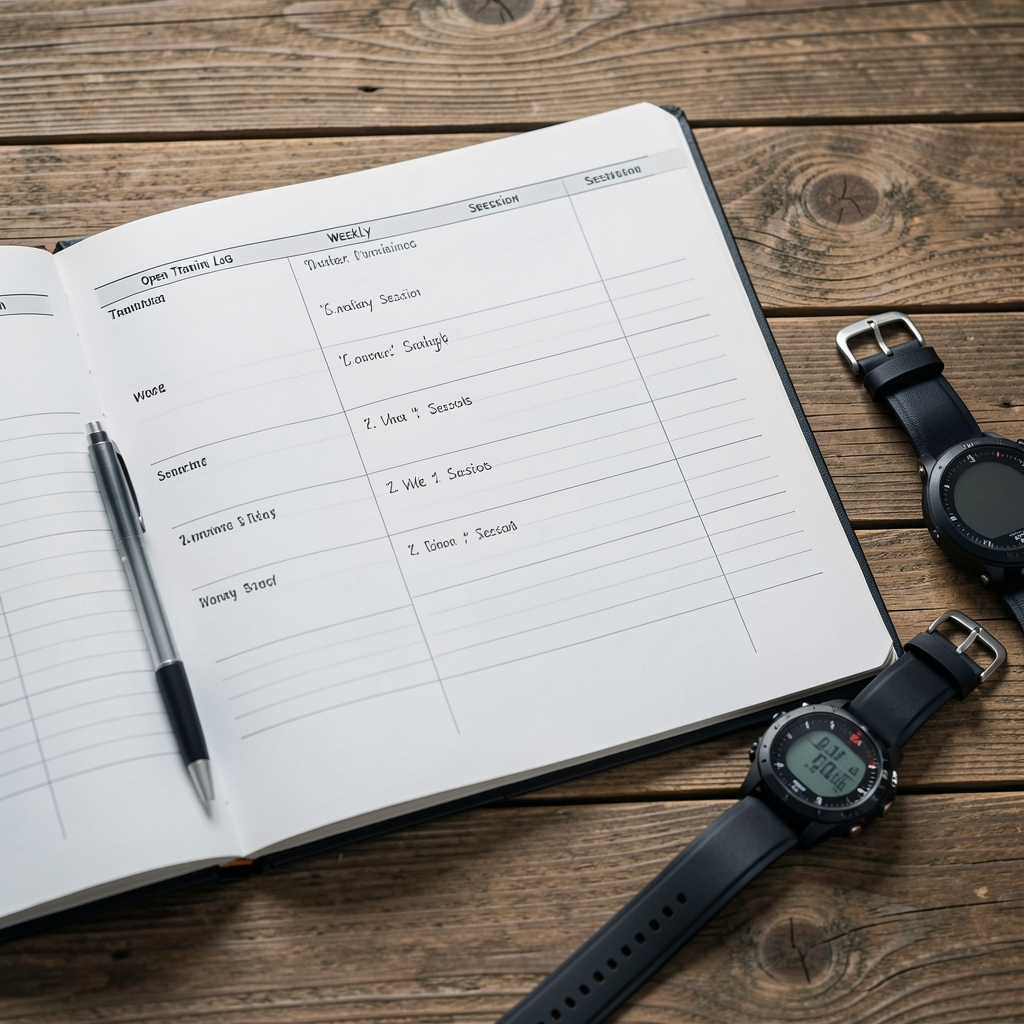
No. A notebook and a simple one-to-ten rating are enough. Devices can add convenience, yet their estimates of load and recovery are approximations and should be read as trends.
How should strength and endurance be combined?
Many people place hard sessions on separate days and keep one day fully easy. The endurance and strength pages give typical weekly structures for each.
What if life interrupts the plan?
After a break of a week or two, return at about seventy percent of your previous load and rebuild over two to three weeks. Longer breaks call for a longer ramp. The injury resilience page explains why gradual returns matter.
Related topics include recovery, sleep and stress. Contact the editors through our contact form or call +62 817 9345 1820. Please read the disclaimer as well.