Energy systems
Short, intense work and sustained efforts draw on overlapping systems. Understanding the blend helps explain why training variety matters.
Sports physiology gives language to energy, circulation, breathing and adaptation. Evance translates those ideas into careful editorial guidance.
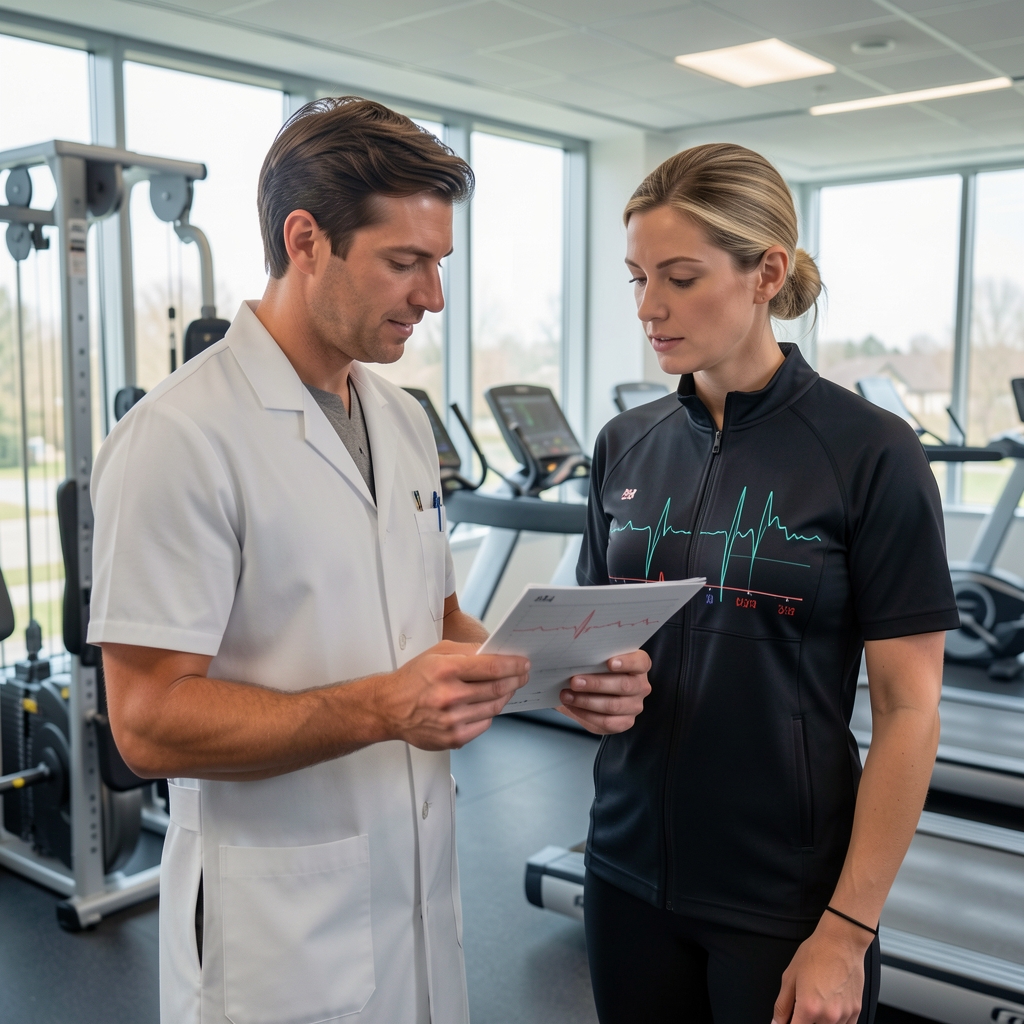
Short, intense work and sustained efforts draw on overlapping systems. Understanding the blend helps explain why training variety matters.
Breathing, circulation and muscular demand interact. A sensible aerobic base can support repeated hard work and daily energy.
The stimulus is only one part of the equation. Recovery, nutrition, heat and stress shape the response.

Use performance data as a prompt rather than a verdict. Compare similar sessions, note unusual fatigue and consider environmental conditions before drawing conclusions.
Medical symptoms, persistent unexplained changes and concerns about exercise tolerance belong with a qualified clinician.
Explore assessmentPublished: 12 January 2026. Last editorial review: 15 January 2026. Written by the Evance editorial team and reviewed by a second editor; see the editorial team and methodology.