Training the body for the long run.
Evance examines men's athletic performance through sports physiology, functional fitness and the daily decisions that support a durable life.
“Performance is not a single peak. It is the quiet capacity to return, adapt and continue.”
In this issue
A short map of the front page, with direct links to each reading path.
Four lenses, side by side
Each desk looks at the same man from a different angle. The table summarises what each one asks and where to read more.
| Lens | Central question | Typical topics | Start here |
|---|---|---|---|
| Physiology | How does the body respond to repeated effort? | Adaptation, energy systems, heat | Physiology |
| Functional fitness | What movement capacity supports ordinary and sporting life? | Strength patterns, carries, balance | Functional fitness |
| Recovery | How is load absorbed between sessions? | Sleep, stress, training load | Recovery |
| Longevity | Which habits keep capacity available over decades? | Progression, joints, consistency | Longevity |
A reading path in five steps
New to the site? This order moves from foundations to application.
- 01
Understand the body
Begin with physiology and training load.
- 02
Build capacity
- 03
Protect movement
See mobility and injury prevention.
- 04
Support recovery
- 05
Think long term
Finish with longevity and the research notes.
Key terms, plainly defined
- Training load
- The combined amount and intensity of work an athlete performs over a period, often compared with how well the body is coping.
- Adaptation
- The gradual change in tissues and systems that follows repeated stress and adequate rest.
- Functional fitness
- Physical capacity measured by how well it carries over to daily tasks and sport, rather than by isolated numbers.
- Perceived exertion
- A person's own rating of how hard a session felt, commonly recorded on a simple numeric scale.
- Aerobic base
- The steady, oxygen-driven capacity that underlies endurance and supports recovery between harder efforts.
- Progressive overload
- A gradual increase in demand over time so that the body continues to receive a reason to adapt.
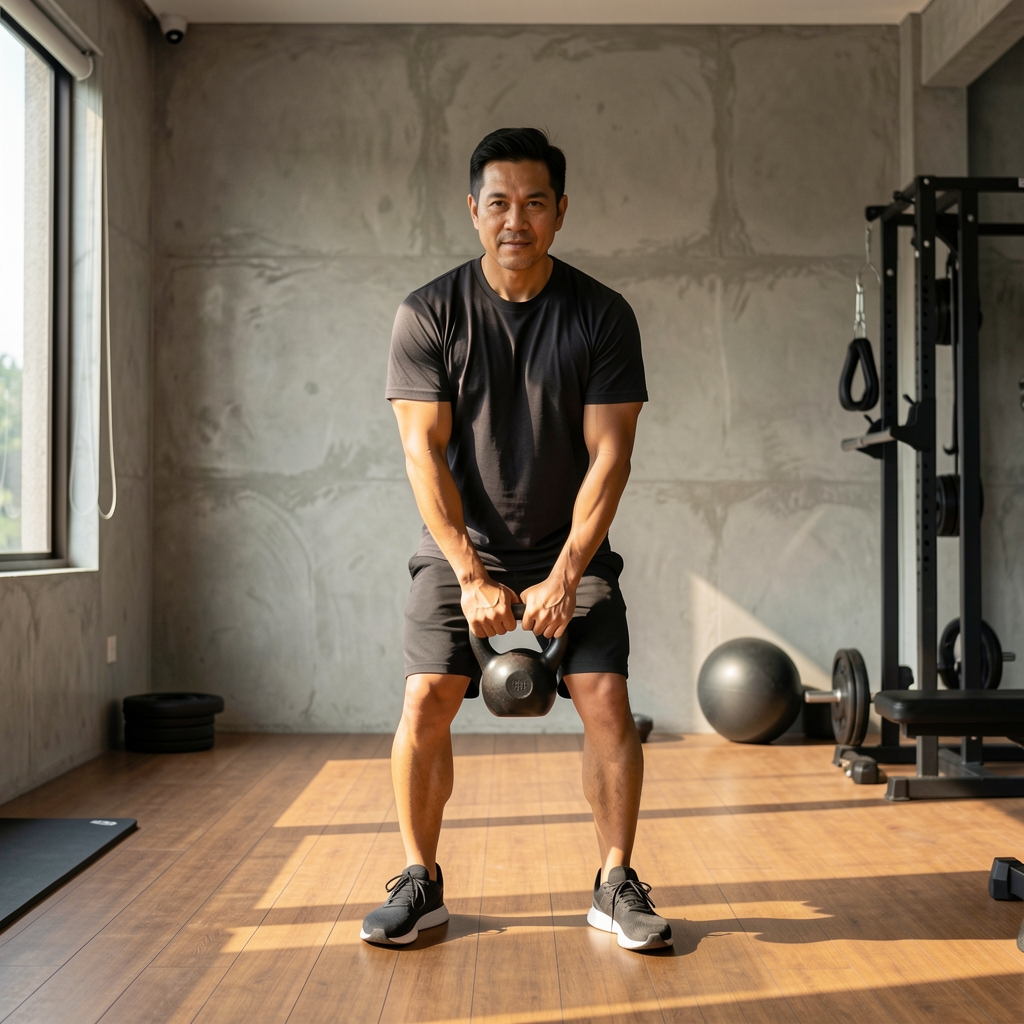
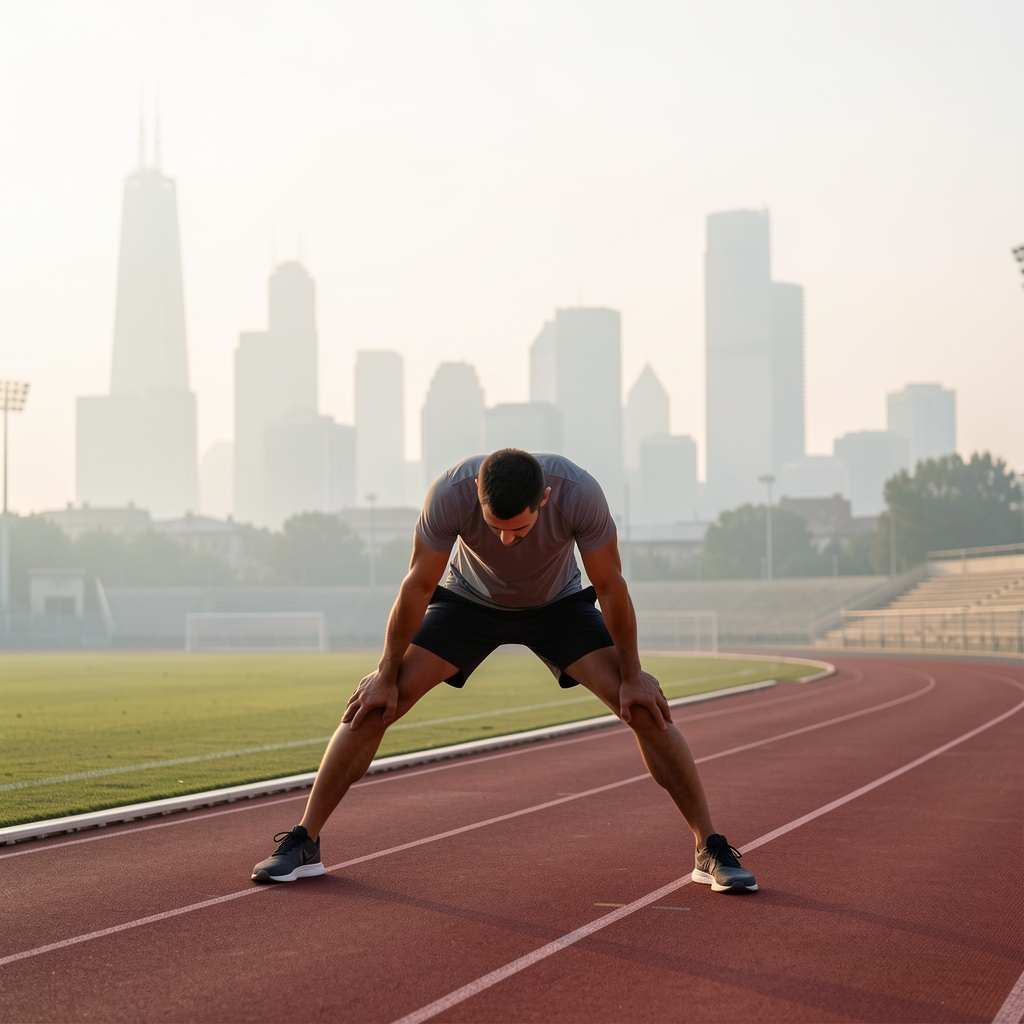
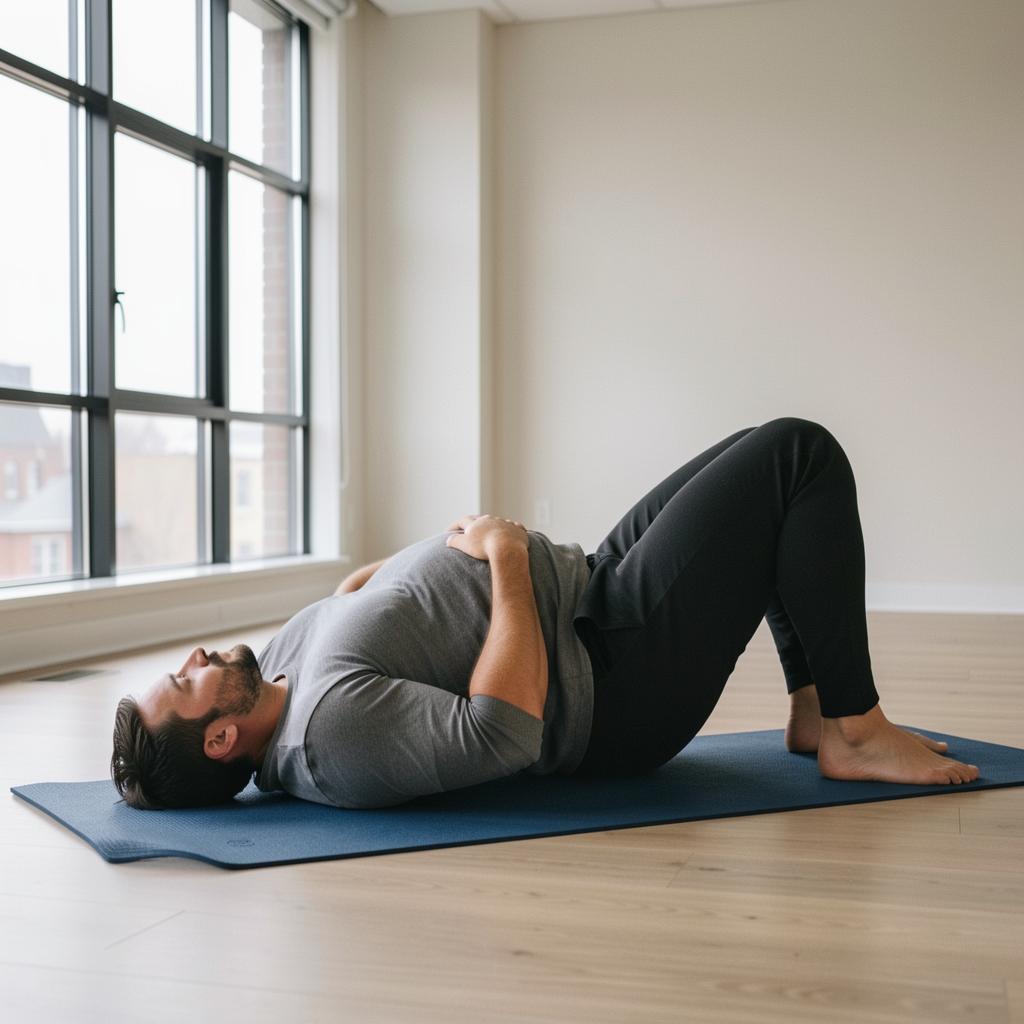
Scenes from the training floor
A visual note from the spaces our writers visit around Jakarta.
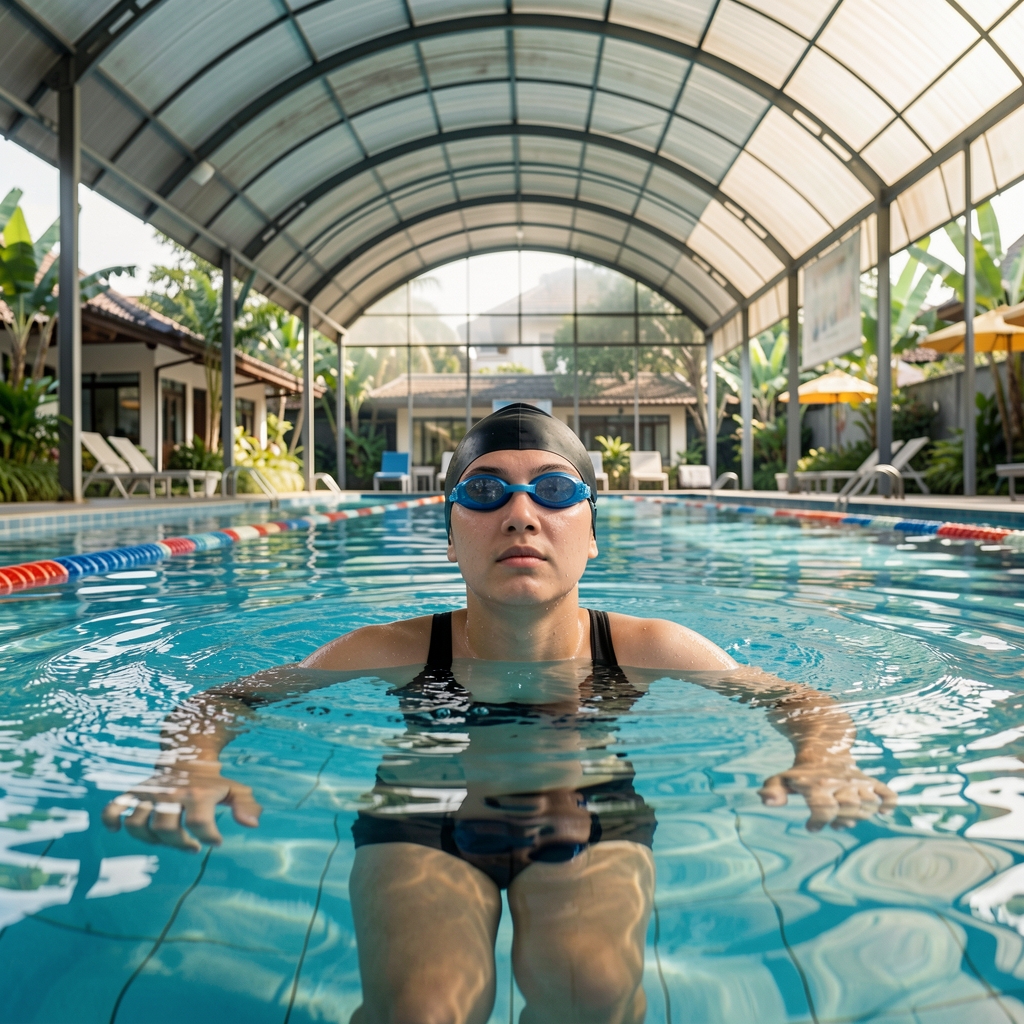

Reading sessions in Jakarta
Small, informal discussions held at our Kemang office. Topics are descriptive, and attendance is open to interested readers; details are confirmed through the contact page.
- 14 Feb 2026 Reading the training log: what sleep, effort and mood notes can and cannot show Ask about this session
- 21 Mar 2026 Heat, humidity and perceived effort in Indonesian training conditions Ask about this session
- 18 Apr 2026 Joint-friendly strength work for men over forty: a discussion of the literature Ask about this session
Common questions
Is Evance a training programme?
No. It is an editorial publication that explains concepts and evidence. Readers who want individual plans should consult a qualified coach or clinician.
Who writes the articles?
Our editors work from published research and practitioner interviews. The process is described on the methodology page.
Does the site give medical advice?
It does not. Pages describe general physiology and are not a substitute for professional care. See the disclaimer.
How can I suggest a topic?
Use the contact form. Reader questions often shape the next field note.
Latest from the desks
-
Reading training load without losing the plot
How acute and chronic workload ideas are used, and where they are over-simplified.
-
Sleep as part of the training week
A summary of what research associates with sleep duration and athletic recovery.
-
Field notes: training in Jakarta heat
Short observations from recreational athletes, paired with the relevant physiology.
-
Mobility and the demands of an ordinary day
Why range of motion is discussed alongside strength rather than instead of it.
Write to the editors
Questions, corrections and topic suggestions are read by the editorial team in Jakarta.
Evance · Jalan Anggrek Raya No. 15, Kemang, Jakarta Selatan 12730, Indonesia · +62 817 9345 1820